
Goalkeeper Starter Sets: How to Get Started with Goalkeeping as a Beginner Keeper

If you or your child has decided they want to be a goalkeeper—welcome to the most exciting (and bravest) position on the pitch. For parents, the next question is usually: what do they actually need to get started? This guide breaks down the essentials, how to choose the right kit, and how to keep it all working week after week.
Along the way, we’ll show how a simple goalkeeper starter set—like the glove + grip bundle—can make those first sessions more fun, more confident, and a lot less chaotic.
Why a Goalkeeper Starter Set Makes Sense (Especially for Beginners)

When kids are new to goalkeeping, they’re learning a lot at once: handling the ball, diving safely, positioning, footwork, and confidence under pressure. The right gear helps them focus on learning instead of worrying about sore hands, slippery grip, or kit falling apart after two muddy sessions.
A solid starter set for goalkeepers should:
- Protect hands and wrists
- Improve grip in wet and dry conditions
- Be easy to look after (because… life)
- Last more than a couple of weekends
Shop Goalkeeper Starter Sets Now
The Goalkeeper Starter Kit Checklist (Beginner-Friendly)
Here’s what we recommend for a new keeper:
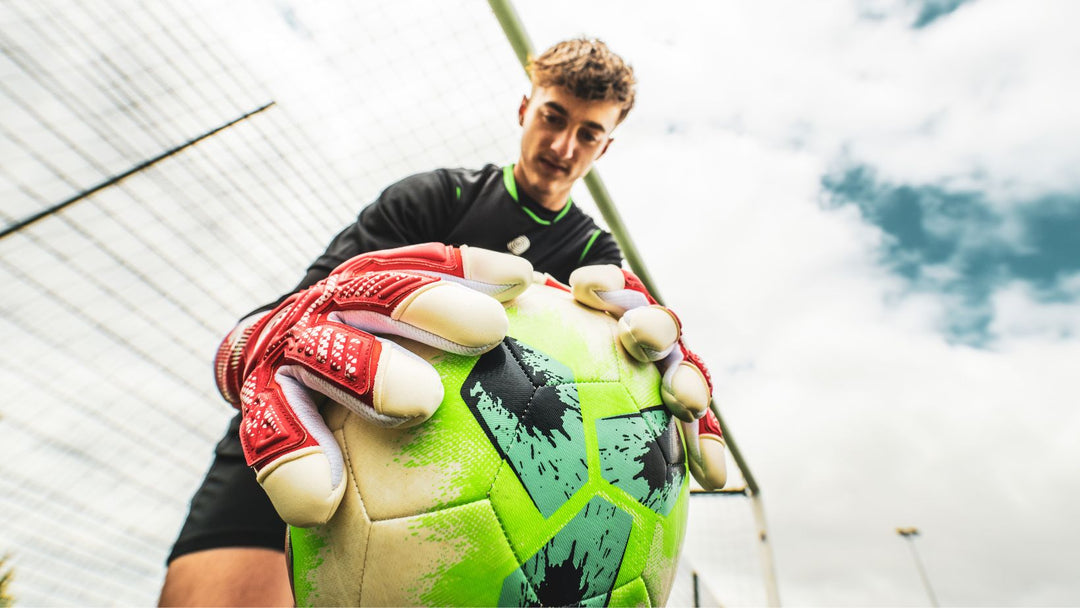
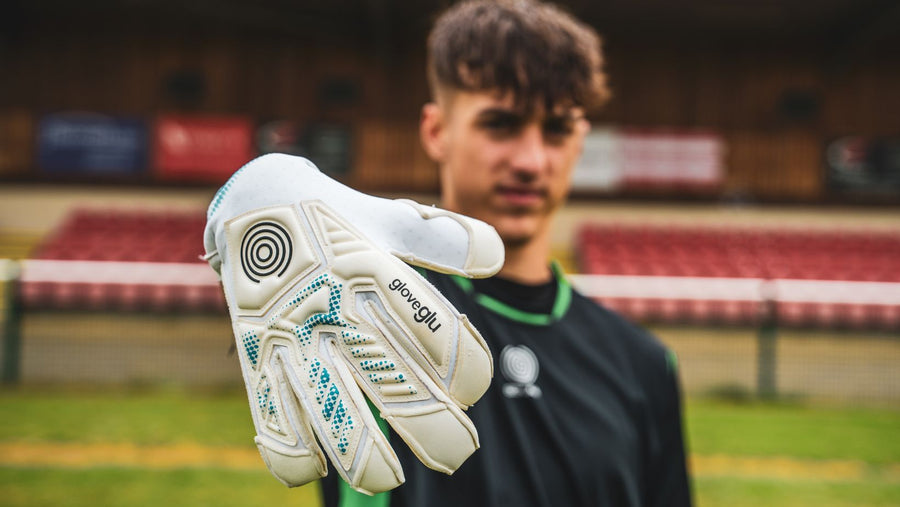
1) Goalkeeper Gloves (The Non-Negotiable)
For beginners, gloves should be:
- Comfortable (no painful seams)
- Supportive (wrist support helps confidence)
- Grippy enough to encourage catching technique
Parent tip: don’t size up “to grow into.” Oversized gloves make catching harder and can build bad habits.
2) Grip Support (The Confidence Booster)
Grip matters most when your child is learning how to catch cleanly. Wet weather, artificial pitches, and muddy winter training can quickly make gloves feel “slippy.”That’s where a simple grip add-on can be a game-changer.
3) Glove Care (The Secret to Making Gloves Last)
Most “my kid’s gloves are ruined” problems aren’t from play—they’re from not cleaning and drying properly. Latex is performance material. If it’s left dirty and damp, it breaks down fast.That’s why we always suggest including glove care as part of any goalkeeper starter bundle.
Simple gloveglu Starter Sets for New Goalkeepers
Mini Essentials Set

Our top selling product - Ever!
5x mini gloveglu bottles containing everything you need as a goalkeeper
Includes the full Wash, Refresh, Revive System:
Glove Wash (50ml)
Glove Freshener (50ml)
3x Glove Grip Sprays
Shop Mini Essentials Set
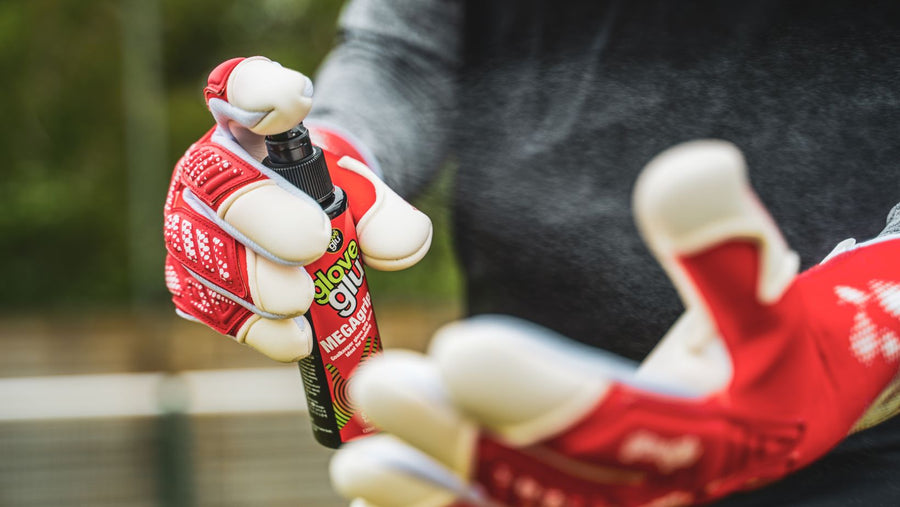
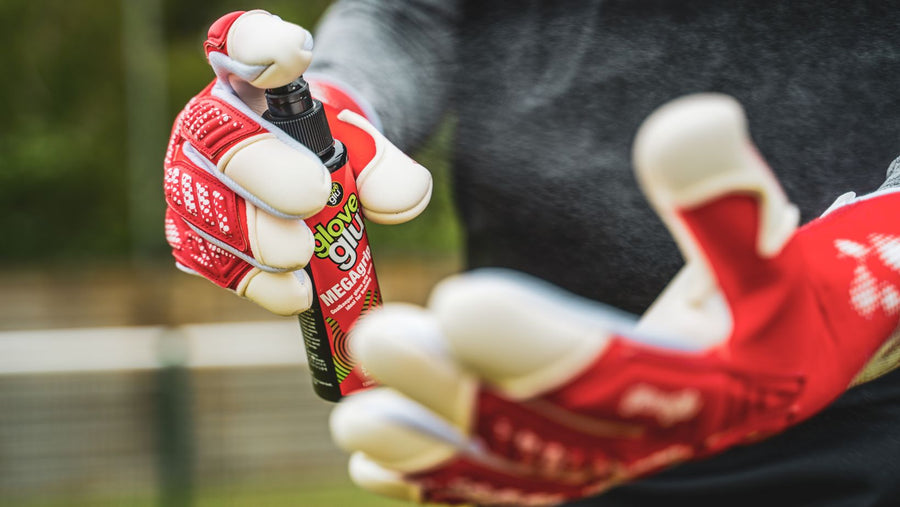
Glove + Grip Set

A straightforward way to start: gloves plus grip support in one go. Perfect for:
- First-time keepers
- Kids moving from “having a go” to regular training
- Winter / wet-weather sessions
- Parents who want fewer mid-season replacements
Shop MEGAgrip Glove + Grip Set
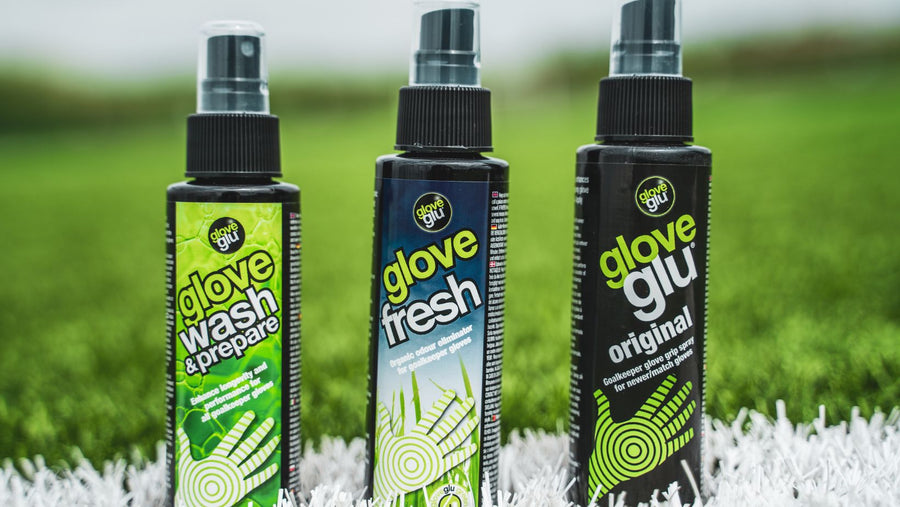
Glove Care System

Our MEGAgrip Glove Care System is the ultimate starter set for caring for goalkeeper gloves if you already have a pair
Wash & Prepare (120ml) - For washing goalkeeper gloves
glovefresh (120ml) - For stopping them from smelling
gloveglu MEGAgrip - Grip spray for the best grip possible on your glove palms
Shop MEGAgrip Glove Care System
The gloveglu Care Routine: Wash, Refresh & Dry, and Revive

Here’s the simple process parents can follow—no guesswork, no complicated steps.
1) Wash
After training or matches, gloves pick up dirt, sweat, and pitch grime that clogs the latex and kills grip. A proper goalkeeper glove wash keeps the latex performing and helps prevent cracking.
Best practice: wash sooner rather than later—leaving gloves dirty overnight is where problems start.
2) Refresh & Dry
Drying is where many gloves get accidentally wrecked (radiators and direct heat are the usual culprits). A good wash + refresh + dry approach helps gloves stay fresh and avoids stiff, damaged latex.
Parent tip: gloves should dry naturally and thoroughly—damp gloves stored in a bag will smell and degrade quickly.
3) Revive
Over time, gloves can feel “flat” even when they’re not worn out. A revive step can help bring performance back and keep grip levels consistent—great for long seasons, tournaments, and training-heavy weeks.
How to Help Your Child Get Started as a Goalkeeper (Practical Tips)
Start with safe technique (not superhero dives)
New keepers don’t need to launch themselves around on day one. Focus on:
- Catching shape (hands like a “W” behind the ball)
- Getting body behind shots
- Side falls before full dives
Make it fun early
Confidence is everything in goal. If they’re smiling, they’ll stick with it. Short sessions, lots of simple saves, and praise for bravery go a long way.
Expect messy gloves—and plan for it
Especially in the winter, gloves will get muddy fast. That’s exactly why a goalkeeper glove care routine belongs in every starter set.
Starter Set FAQ (Parents Ask This a Lot)
Starter Set FAQ (Parents Ask This a Lot)
Q: Do beginner keepers need expensive gloves?
Not necessarily—In fact, cheaper gloves will generally last much longer before showing signs of wear. Imperfect technique can cause expensive gloves to tear quickly, so starting with cheaper gloves is usually more sensible. Fit & Comfort are the two most important things to start with. But keeping gloves clean is what really protects your spend.
Q: How often should gloves be washed?
If they’re training weekly, aim to wash when they’re visibly dirty or starting to lose grip. In winter, that can be after most sessions.
Q: What’s the biggest mistake parents make?
Drying gloves on a radiator or leaving them damp in a bag. Heat and moisture are glove killers.
The Easiest Way to Begin: Keep It Simple, Keep It Consistent
A good goalkeeper starter set isn’t about buying loads—it’s about getting the right basics and looking after them properly.
If you want a simple setup that covers the essentials, start with:
gloveglu Glove + Grip set
gloveglu glove care system
Follow the routine: Wash → Refresh & Dry → Revive
That’s the pathway to better grip, longer-lasting gloves, and—most importantly—a more confident young keeper.